The Half-Finished House: When a Builder Fails Mid-Project

A builder's insolvency is unsettling at any stage. When it happens halfway through a kitchen extension, a loft conversion or a full renovation, the immediate concerns are safety, security and money already spent. The temptation is to act quickly and decisively. The better course is usually to act promptly but carefully, preserving evidence and avoiding steps that weaken your position.
First, make the site safe and secure
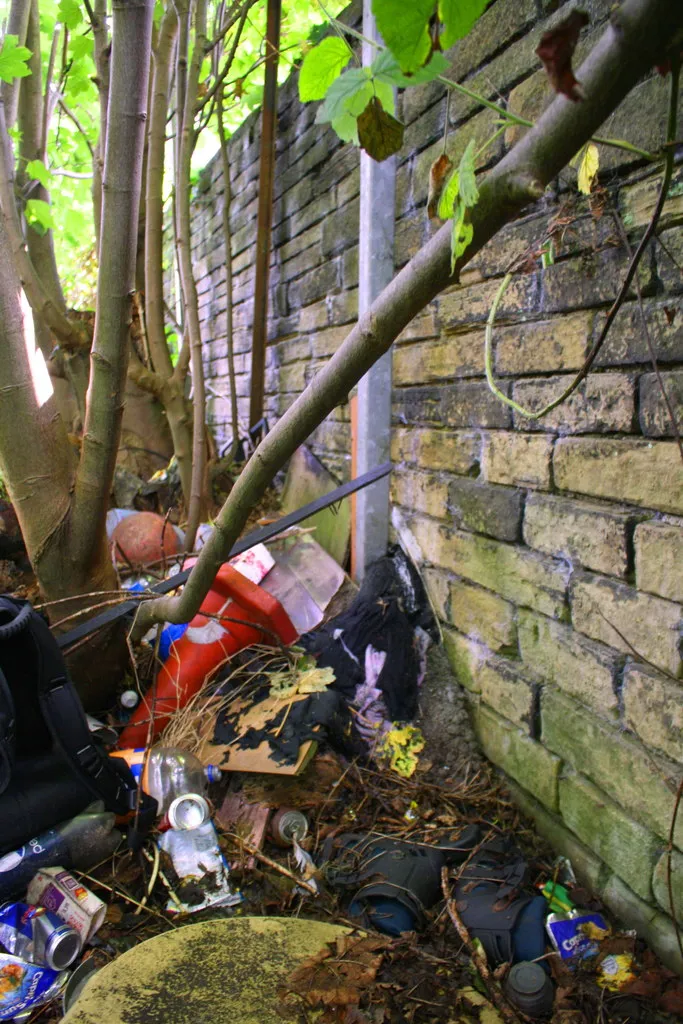
A half-finished project can be hazardous. Scaffolding may be incomplete, openings unguarded and services disconnected or live. If the builder has left keys, plant or materials on site, record what is there before anything is moved. Photograph the site thoroughly, including the state of works, stored materials and any damage. Notify your household insurer if the property is unoccupied or less secure than before.
Materials already delivered may be subject to retention of title clauses in favour of suppliers. Do not remove or dispose of disputed goods without advice. Tell the insolvency practitioner, once appointed, what is on site and ask for their instructions. In the meantime, secure the property, restrict access and keep a written log of anyone who attends.
Establish the contractual position
Find the contract. It may not be a single signed document. Look for quotations, schedules of work, drawings, emails, text messages and any written variations. Identify precisely which legal entity you contracted with. A sole trader, a partnership and a limited company are different counterparties, and the distinction affects both recovery and any claim against an individual.
Companies House records can confirm the company's status and appointment of an administrator or liquidator. Check the contract for who was responsible for what, how payments were to be made, and what was to happen on termination. If the contract incorporates standard terms, such as a JCT homeowner contract, read the termination and payment provisions carefully.
Evidence the payment trail
Gather bank statements, invoices, receipts and remittance advices. Produce a simple chronology showing what was paid, when and for which stage. This will be needed for any proof of debt and for discussions with a new contractor. If payments were made by credit card, ask the card provider about section 75 or chargeback protection. These routes have time limits and conditions, so do not delay.
Deposits and payments made in advance of work are the most exposed. Where work has been paid for but not done, you are likely to be an unsecured creditor for that sum. Retention money held back from earlier payments should be accounted for, but it is not a guarantee of recovery. Stop further payments unless the insolvency practitioner confirms they are properly due and will be used for the intended purpose.
Guarantees and insurance-backed warranties
Check whether any guarantee or warranty was provided. An insurance-backed warranty may respond even if the builder fails, but only if the premium was paid and the policy was properly registered. Some trade-body guarantees depend on the builder's membership being current at the relevant time. A personal guarantee from a director is often of little practical value once a company has failed, but it should still be reviewed.
Notify any insurer or warranty provider promptly. Keep the policy documents and proof of payment. If the works were covered by a structural warranty or a specialist guarantee, ask whether the provider has a step-in or rectification procedure. Do not assume that a warranty covers defective or incomplete work unless the wording says so.
Step-in, novation or a fresh start
Step-in rights are uncommon in ordinary domestic building contracts. Where they exist, they allow a third party, often a funder or warranty provider, to take over the contract. Novation, which transfers the contract to a new contractor, requires the agreement of all parties, including the insolvency practitioner. Consent may not be forthcoming, and novation is rarely quick.
In practice, many homeowners need a fresh contract with a new contractor. That does not mean starting from scratch. Existing drawings, planning permissions, building control records and surveys remain useful. A new contractor will want to inspect the works and may be unwilling to adopt responsibility for the previous builder's work without a detailed survey and clear exclusions.
Completing the works through another contractor
Obtain more than one quotation and check insurance, references and trade registrations. Ask the new contractor to identify what must be removed or made good before they can proceed. Notify building control and any party wall surveyor. Budget for a contingency, as unfinished works often reveal defects once the next stage begins. Hold back a retention, typically three to five per cent, until completion and snagging are agreed.
Recovery from the insolvency
The insolvency practitioner will invite creditors to prove their debts. Register your claim promptly and provide the contract, invoices, bank statements and a calculation of loss. Dividends to unsecured creditors are often low, and recovery may take time. If there is evidence of wrongful trading, misfeasance or a breach of duty by a director, take legal advice; such claims are not straightforward and should not be pursued on assumption alone.
Warning signs and protective clauses for 2026
Warning signs include requests for large deposits or early stage payments, a sudden change of bank details, unexplained delays, unpaid subcontractors, materials not delivered, director resignations or county court judgments. None proves insolvency, but each merits a question.
Before work begins, consider agreeing a written contract with a clear schedule, payment against valuation or completed stages, a retention, a termination clause, a requirement for an insurance-backed guarantee, and confirmation of the legal entity you are dealing with. Record variations in writing, keep a photographic record and avoid paying large sums in advance. These steps will not prevent a builder from failing, but they make the aftermath far more manageable.
If a builder has already failed, take advice early. The right response depends on the contract, the stage reached, the money paid and the warranties available. Acting on evidence rather than assumption is the surest way to protect a home and a position.