The Field, the Permission and the Price: Overage on Development Land
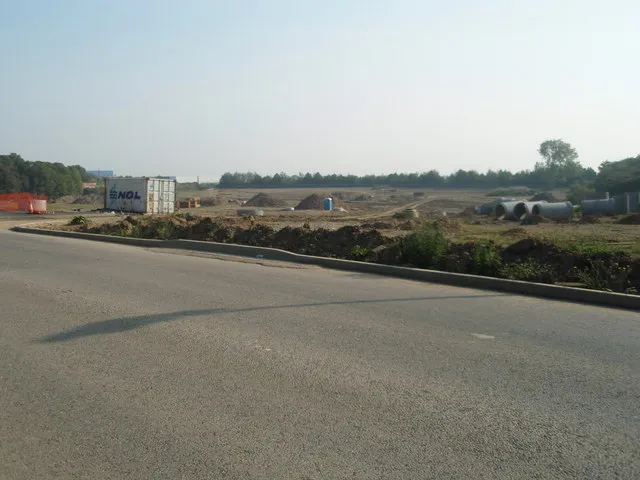
Photo: Michael Trolove, CC BY-SA 2.0, via Wikimedia Commons
Overage, sometimes called an uplift clause, is a mechanism for sharing the increase in land value that follows a future planning permission or development. It is common where a seller believes the land may be worth more than the current use suggests but does not wish to obtain permission itself. The buyer pays a lower price now; the seller receives a further sum if the trigger occurs. The commercial logic is simple. The legal architecture is not.
Why the clause must be precise
An overage clause is not a general promise to be fair. It is a contract, and its meaning depends on the words used. The first question is what event triggers payment. A permission may be granted for a scheme the seller anticipated, or for something larger, smaller or different. The clause may refer to a planning permission, the implementation of a permission, a change of use, a disposal of the land with permission, or the occupation of a building. Each formulation produces a different answer. A buyer should not assume that outline permission, reserved matters approval, a variation, a non-material amendment or a permission granted on appeal will fall within the same trigger. A seller should not assume that a permission which is never implemented will produce a payment.
Permitted development rights can be a particular trap. If the clause is silent, a buyer may obtain value through permitted development without triggering payment. Sellers often seek to include permitted development, change of use and prior approval within the trigger. Buyers resist because it can catch ordinary improvements. The negotiation is not merely about the percentage; it is about the perimeter of the obligation.
Valuation mechanics and the base value
Overage valuations usually start with a base value, often the price paid or an agreed existing use value. The uplift is then the difference between that figure and the developed value, or the sale proceeds, or the planning permission value. The clause should state which. It should also state whether deductions are allowed for build costs, professional fees, planning obligations, Community Infrastructure Levy, marketing costs, taxes and the buyer's profit. If those deductions are left to implication, the parties may end up in a valuation dispute rather than a calculation.
The percentage should be clear, as should the treatment of VAT, interest on late payment and the timing of payment. A seller may want payment on grant of permission; a buyer will usually prefer payment on implementation or sale, when the value is realised. That difference matters. So does the identity of the valuer, the mechanism for appointing one and the consequences of a valuation that is disputed.
Why the obligation can outlive the sale
Overage provisions are often intended to bind successors in title. A positive obligation to pay money does not run automatically with freehold land in the same way as a restrictive covenant. The drafting therefore needs a mechanism that survives a sale: a legal charge, a rentcharge, a restriction, or a covenant supported by indemnity provisions. Registration is critical. If the benefit or burden is not protected at HM Land Registry, a later buyer may take free of it. For unregistered land, the Land Charges Register may be relevant.
In 2026, the practical check is the title register and the title plan, not merely the contract pack. A buyer's solicitor should look for notices, charges, restrictions and any reference to an overage deed. A seller should confirm that the protection was put in place at completion and that it has not been removed or overridden. A clause that exists only in a side letter or an unregistered agreement is a clause that may not be enforceable against the person who now owns the land.
Time limits and enforcement
Overage deeds often contain longstop dates and time limits for making a claim. A clause may say that no payment is due after a specified number of years, or that the seller must notify the buyer within a period after a trigger event. Those provisions are not administrative niceties. They can determine whether the right exists at all. Limitation periods may also be relevant: a deed has a longer limitation period than a simple contract, but the parties should not rely on limitation to cure a badly drafted notice provision. If the seller is a company, future owners and insolvency practitioners will examine whether the right was properly preserved.
Checks for sellers
A seller should identify the trigger with care and decide whether permitted development, change of use and appeals are to be included. The obligation should be secured by an appropriate mechanism and protected at HM Land Registry. The valuation method should be workable, with clear deductions and a dispute process. Notice provisions and longstop dates should be realistic. Tax and insolvency consequences should be considered before completion, not after a planning permission is granted.
Checks for buyers
A buyer should obtain the overage deed, not just a summary, and model the liability in the appraisal. The title should be searched for notices, charges and restrictions. The trigger should be understood in plain terms: what event, whose act, what permission and what time limit. A buyer may seek caps, time limits, consent requirements or carve-outs for small schemes. Indemnity insurance may be available in some cases, but it is not a substitute for reading the clause.
Overage is a useful tool, but it is fragile. Its value depends on precision and protection. Whether you are selling land with hope value or buying a site with a future obligation, the clause should be treated as a central term, not a footnote.