When the Paper Trail Ends: Rebuilding Title After Lost Deeds
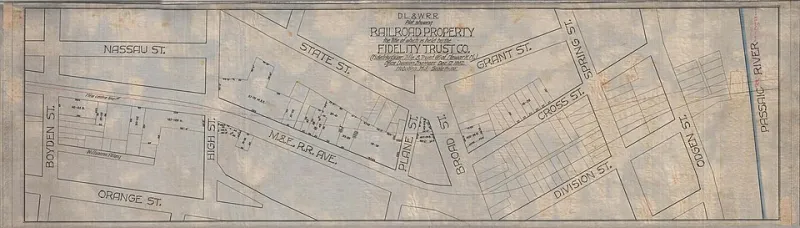
Photo: Unknown authorUnknown author, Public domain, via Wikimedia Commons
Title deeds have a reputation for being irreplaceable. In practice, the loss of original documents is often a manageable conveyancing problem rather than a fatal defect in ownership. The correct response depends on whether the land is registered or unregistered, what the missing papers actually contained, and how quickly the issue is identified. This article concerns England and Wales; Scotland and Northern Ireland have separate registration systems.
First, establish what has actually been lost
Clients often say that ‘the deeds are missing’ when what has disappeared is a solicitor’s file, a bundle of copy documents, or a lease that was returned to a landlord years ago. Before anyone starts reconstructing title, it is worth separating three questions: is the property registered at HM Land Registry; what original documents existed; and which of those documents actually affect the legal title today?
For registered land, the register is the primary source of title. Original deeds may still be useful — for example, where they contain rights of way, covenants, boundary agreements or details of a lease — but their absence does not usually mean that ownership is unproven. For unregistered land, the deeds are the title. That distinction changes the scale of the problem.
A sensible first step is to ask the seller, the executor, the lender or the previous conveyancer whether copies survive. Old mortgage files, probate papers and family correspondence can contain certified copies or recitals that refer to the missing documents. A solicitor can also obtain official copies of any registered title and check whether the register already records the rights and burdens that matter.
Registered land: the register leads, but gaps still matter
Where the property is registered, a buyer’s solicitor will usually rely on official copies of the register and title plan. If the original deeds are gone, the sale can often proceed. Problems arise where the missing documents are not merely historical. A deed may be the only evidence of a right of way over a neighbour’s land, a restrictive covenant, or an obligation to maintain a shared access road. The register may refer to such matters without setting them out in full.
In those circumstances, evidence can sometimes be rebuilt from secondary sources: copies held by the other party to the deed, old conveyances, statutory declarations from people with direct knowledge, or applications to HM Land Registry supported by documentary evidence. The Land Registration Act 2002 and the Land Registration Rules 2003 provide the framework, but the practical outcome depends on the quality of the evidence.
It is also important to check the class of title. Most registered titles are absolute. A possessory or qualified title signals that the registrar was not satisfied on some point when the land was first registered, and a buyer or lender may require further work before proceeding.
Unregistered land: proving a chain of ownership
With unregistered land, the loss of deeds is more serious because there is no central register to fall back on. The seller must prove a good chain of title, usually going back at least fifteen years, and the buyer’s solicitor will want to see the documents that establish it. If the originals have been destroyed, the exercise becomes one of reconstruction.
Useful evidence may include old abstracts of title, mortgage deeds, probate grants, planning correspondence, aerial photographs, and copies retained by former solicitors or lenders. Statutory declarations from previous owners or long-standing occupiers can fill some gaps, particularly where the missing documents are old and the occupation has been open and unchallenged. A voluntary application for first registration at HM Land Registry is often the cleanest long-term solution, but it should be prepared carefully. If the evidence is incomplete, the registrar may grant a qualified or possessory title rather than absolute title.
That outcome is not necessarily unacceptable, but it affects marketability. A future buyer’s lender may impose conditions, and an indemnity policy may be required.
What lenders and buyers will ask
A lender wants to be satisfied that its security is enforceable. Missing deeds can prompt additional enquiries, a requirement for first registration, or a condition that title indemnity insurance be put in place. A buyer’s solicitor will raise enquiries and may ask for a statutory declaration explaining how and when the documents were lost.
The key is disclosure. If the loss is known and has been discussed openly, the parties can decide how to proceed. If it emerges late in the transaction, it can delay exchange or completion and may affect the availability of insurance. Sellers should tell their solicitor before the property is marketed, not after a buyer has been found.
Indemnities: protection, not a cure
Title indemnity insurance can be valuable where documents are missing or a title defect is historic. A policy may cover the cost of reconstructing deeds, defending a claim, or reducing the value of the property because of the defect. It is usually a one-off premium and may be assignable to future owners.
It is not, however, a substitute for evidence, and it does not repair a defective title. Insurers will ask what is missing, why, and whether any dispute or adverse claim is known. Cover is generally unavailable for a known problem that has already crystallised. A solicitor should be consulted before an application is made to HM Land Registry or correspondence is entered into that might prejudice cover.
A practical sequence before completion
First, instruct a solicitor as soon as the loss is discovered. Second, gather every copy, abstract and reference that survives. Third, obtain official copies if the land is registered. Fourth, decide whether reconstruction, first registration or an indemnity policy is the appropriate route. Fifth, make full disclosure to the buyer and lender. Finally, keep digital copies of everything in a secure place.
Lost deeds are seldom the end of the story. They are a signal that the paper record needs attention, and that attention is best given before contracts are exchanged.