Before the Excavator Turns: Party Walls, Adjacent Works and the Discipline of a Valid Award
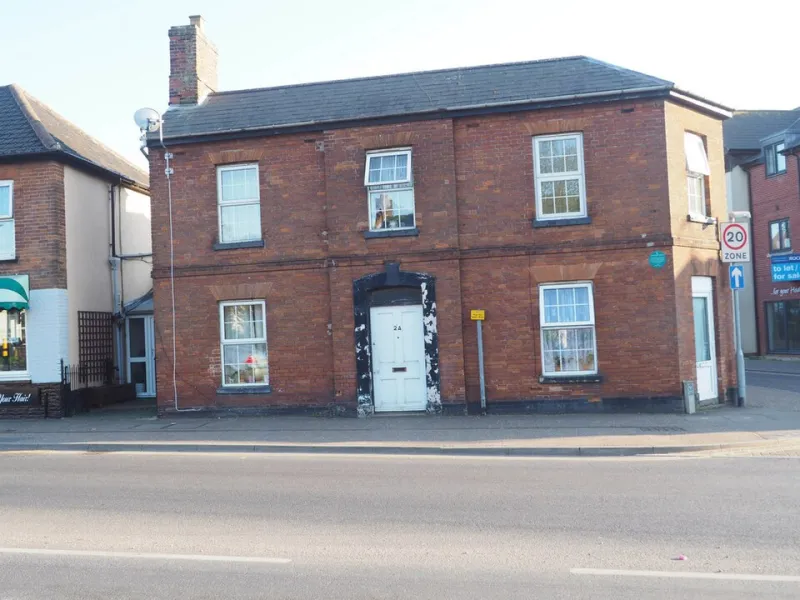
Photo: Alan Hughes , CC BY-SA 2.0, via Wikimedia Commons
In streets of terraced and semi-detached houses, the wall between neighbours is rarely just a wall. It is a shared structural asset, a boundary, and occasionally the point at which a perfectly ordinary loft conversion becomes a formal legal process. The Party Wall etc. Act 1996 does not prevent development. It imposes a procedure designed to allow works to proceed while protecting the adjoining owner from avoidable harm. Misunderstanding that distinction is where most trouble begins.
When the Act is engaged
The Act applies to three broad situations. The first is work on a party structure, such as inserting steel beams into a shared wall for a loft conversion, raising a party wall, or cutting into it for a rear extension. The second is building a new wall on the line of junction between two properties. The third is excavation or construction near a neighbouring property, which is the provision most often encountered in basement projects.
Not every improvement requires notice. Replastering, painting, or work wholly within one property and away from the boundary will usually fall outside the Act. But the moment a project touches a shared wall or involves digging close to a neighbour’s foundations, the question should be asked early rather than after the builder has arrived. Notice periods vary according to the type of work: generally at least two months for works to a party structure and one month for adjacent excavation. A party wall award is not planning permission, and it does not replace building regulations approval or any consent required from a landlord.
A notice is not a request for permission
An adjoining owner who receives a party wall notice may assume that the correct response is to agree or refuse. In practice, the notice is a formal step in a statutory process. The adjoining owner should respond within fourteen days. Consent must be given in writing. Dissent should also be communicated clearly, because silence has consequences: if no response is given, a dispute is deemed to have arisen and the surveyor machinery begins without further agreement.
Dissent is not an act of hostility. It is often the most reliable way to secure a written award containing a schedule of condition, access terms and protections. Consenting without conditions may be appropriate where the work is minor and the relationship is good, but it can leave the adjoining owner with fewer recorded safeguards if cracks or disruption later appear. The prudent course is to take advice before signing consent, particularly where basements, underpinning or complex steelwork are involved.
What an award actually covers
A party wall award is frequently described as an agreement, but it is better understood as a determination by the appointed surveyor or surveyors. It should deal with the practicalities that the statutory framework requires and that the parties will need if matters become difficult. A schedule of condition is central: a recorded snapshot of the adjoining property before work begins, usually with photographs, so that later damage can be assessed against evidence rather than recollection.
The award should also address access. A building owner may need to enter the adjoining property to protect or inspect the wall, and the award should define when, how and on what notice that access may occur. Working hours, scaffolding, security, dust and noise controls, and the protection of drains or foundations may all feature. Responsibility for making good and for insurance should be clear. Surveyors’ fees are usually payable by the building owner, although the award can allocate costs differently where an adjoining owner has acted unreasonably. None of this is merely administrative. These are the terms that determine who pays and who bears risk when the unexpected happens.
Basements demand particular care
Basement excavations sit at the more demanding end of party wall work. They can affect groundwater, load-bearing capacity and the stability of neighbouring foundations in ways that are not always visible from the drawings. A surveyor with relevant experience should be appointed early, and the award should be supported by a method statement, temporary works proposals and appropriate monitoring. Insurance should be checked, not assumed. A household policy may not respond to excavation-related damage in the way a building owner expects.
Starting work before the award is settled may feel efficient on site. It is rarely efficient in the longer term. It can expose the building owner to injunction proceedings, claims for nuisance or trespass, and disputes about access that outlast the construction itself. It can also leave an adjoining owner without the schedule of condition that would have made a damage claim straightforward. The cost of delay before work begins is usually modest compared with the cost of reconstructing a paper trail afterwards.
If a neighbour serves notice on you
Read the notice carefully and keep a dated record of what was served and when. Do not ignore it in the hope that the project will go away. If you are content, confirm consent in writing and keep a copy. If you are not, dissent promptly and appoint a surveyor, or agree a single joint surveyor if that is appropriate. Ask about the schedule of condition before work starts. Raise specific concerns about access, hours, parking, scaffolding or protection of your property. A measured response is more effective than a blanket objection, and it gives the surveyor something concrete to address in the award.
What a buyer’s solicitor will look for
When a neighbouring project is on the drawing board or already underway, a buyer’s solicitor will want to see the party wall notice, any consent, and the award if one has been made. The schedule of condition matters, as does evidence that the works are being carried out in accordance with the award. Planning and building regulations searches may be relevant, but they do not replace the party wall file. If the seller is the adjoining owner, the buyer will want to know whether rights of access have been granted, whether any damage has been recorded, and whether any indemnity or warranty is available. A missing award is not always a reason to walk away, but it is a reason to ask questions before exchange rather than after completion.
The Act is a procedure, not a veto. Used properly, it allows necessary work to proceed with a written record of rights, risks and responsibilities. Used casually, it produces the kind of dispute that survives long after the scaffolding has gone. The difference usually lies in what is agreed, recorded and signed before the excavator turns.